

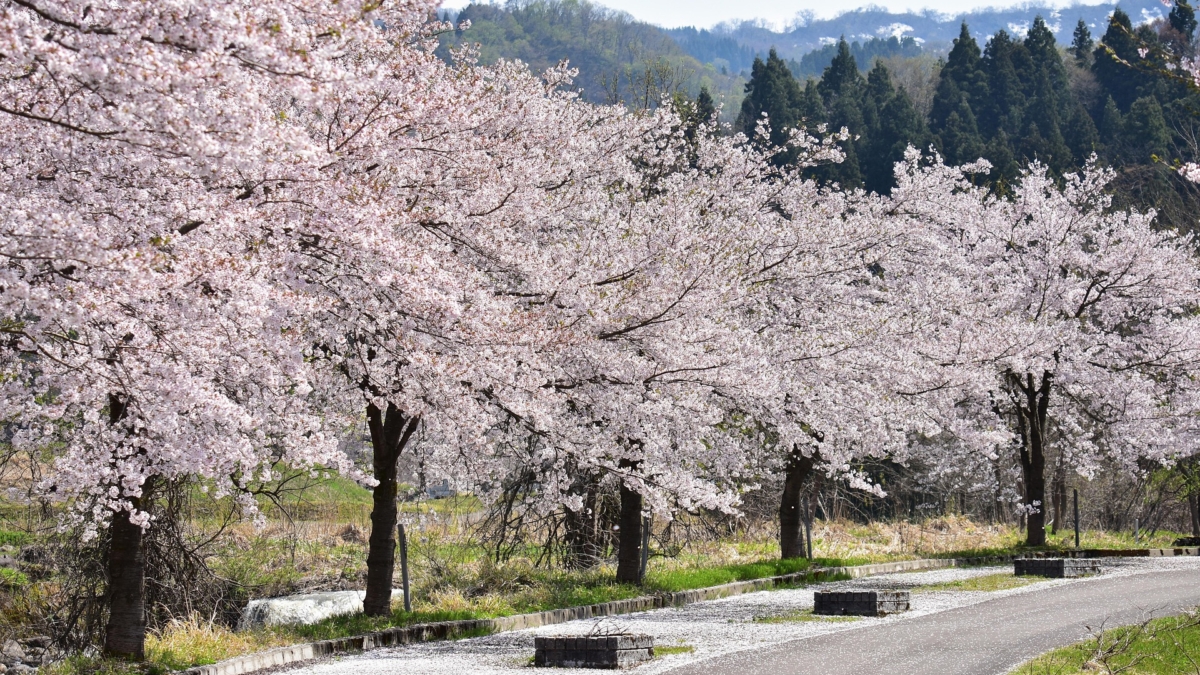
The Meaning of Hanami
As soon as spring starts, many people in Japan begin thinking about sakura (桜), the famous cherry blossoms, and when it will be the best time to enjoy hanami (花見). But what does hanami mean? The word is made up of two Japanese terms: hana (花), meaning “flower,” and mi (見), which comes from the verb miru (見る), meaning “to see” or “to watch.” Therefore, hanami literally means “flower viewing.”
Every year, cherry trees bloom at different times depending on the weather and the region. Because of this, people across Japan closely follow the sakura forecast, known as the sakura zensen (桜前線), or “cherry blossom front.” Although these predictions are not always exact, they help people plan gatherings, trips, and celebrations. In general, the cherry blossoms begin blooming in the south of Japan, including Okinawa (沖縄), around mid-January, and gradually move north toward Hokkaido (北海道), where they usually bloom in late April or early May.
A Long Tradition in Japanese History
Hanami has a long history in Japan. It is believed that the custom became popular during the Heian Period (平安時代) between 794 and 1185, especially among the imperial court in Kyoto (京都). Aristocrats would gather under the cherry trees to admire the flowers, write poetry, and enjoy food and sake. At that time, sakura represented both beauty and the short nature of life, since the blossoms only last for a brief period before falling.
Later, during the Edo Period (江戸時代), the tradition spread to ordinary people. The shogunate and wealthy merchants planted cherry trees in many public spaces so that everyone could enjoy hanami. Over time, it became one of the most beloved spring traditions in Japan.
Popular Hanami Spots
Nowadays, many tourists travel to Japan during sakura season to experience hanami like local people do. Some of the most famous places for cherry blossom viewing include Kyoto, Himeji Castle, Nara Park, and the areas surrounding the Tokyo Imperial Palace. Parks, riversides, temples, and castles across the country become popular gathering places during this season.
People enjoy both daytime hanami and yozakura (夜桜), which means “night cherry blossoms.” In many parks, lanterns are hung around the trees at night, creating a magical atmosphere.
Food and Celebrations During Hanami
Food is an important part of hanami culture. Many people have picnics under the cherry trees with friends, family, coworkers, or partners. Since people usually spend several hours outdoors, practical and easy-to-carry foods are especially popular.
Some traditional hanami foods include dango (団子), small sweet rice dumplings often served on sticks, and ichigo daifuku (いちご大福), a soft rice cake filled with sweet bean paste and strawberries. Onigiri (おにぎり), or rice balls, are also very common because they are simple and convenient for picnics.
Another popular food during spring is sakura mochi (桜餅), a pink rice cake filled with sweet red bean paste and wrapped in a salted cherry leaf. Many people also bring bento (弁当), homemade lunch boxes with rice, vegetables, fried chicken, tamagoyaki (卵焼き), and seasonal foods.
For many Japanese people, hanami is not only about admiring flowers, but also about spending time together and appreciating the arrival of spring. Even though the cherry blossoms bloom for only a short time, the memories created during hanami often last much longer.
Leave a Comment