

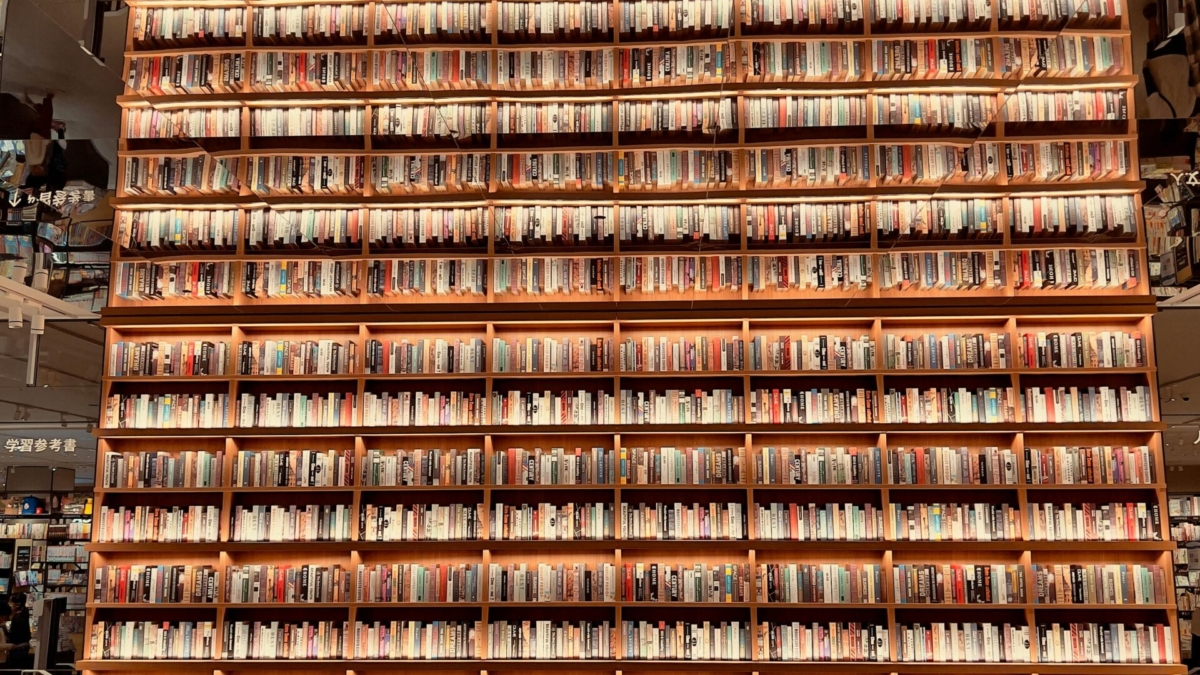
Quiet Spaces for Reading and Community
Public libraries are an important part of daily life in Japan. Entering a public library is free of charge, and visitors can freely read books, magazines, and newspapers while inside the building. Libraries are also popular places for studying because they are usually very quiet, clean, and well organized. Many students, office workers, and elderly people spend hours reading or working there.
Japan has a large public library system with around 3,000 libraries at the municipal and prefectural levels. Almost every city and town has at least one public library, making them accessible to a large part of the population. In addition to books, many libraries offer DVDs, CDs, manga, newspapers, and digital services.
Although anyone can enter and read inside the library, borrowing books is usually limited to people who have a legal address in Japan. To borrow materials, users generally need to register and receive a library card. In many places, foreign residents can also obtain a library card if they show proof of residence, such as a residence card or local address.
A Culture of Quietness and Respect
One thing that surprises many visitors is how quiet Japanese libraries are. Talking on the phone is not allowed, and conversations are usually kept to a minimum. In some libraries, there are separate silent study rooms where students prepare for exams for many hours. Compared with libraries in some Western countries, Japanese libraries often feel calmer and stricter regarding noise.
Libraries in Japan are also known for their excellent organization and customer service. Books are carefully covered and maintained in very good condition, and staff members are usually very helpful. Many libraries even have self-checkout machines and automatic return systems.
Many public libraries also provide computer rooms or multimedia spaces where visitors can use computers for study, research, or internet access. Some libraries require advance reservations for computer use, especially in larger cities where study spaces are very popular. Free Wi-Fi is also available in many libraries today, making them convenient places for students, remote workers, and foreign residents.
Another practical aspect of Japanese libraries is that they are designed to be comfortable for long visits. Visitors can freely use the bathrooms, and many libraries provide drinking fountains with water jets activated by pressing a button. Especially during the hot summer months, these small details make libraries pleasant spaces to spend several hours reading or studying.
Libraries are not only places for reading. They also function as community spaces. Many organize storytelling sessions for children, reading programs, exhibitions, workshops, and cultural events. Some libraries also host activities with foreigners to promote international understanding and multicultural exchange.
Books in English and Other Languages
The amount of foreign-language books varies depending on the city and the size of the library. Large urban libraries in places such as Tokyo, Osaka, or Yokohama often have sections with books in English, Chinese, Korean, and other languages.
In most prefectural libraries and large municipal libraries, there is usually at least a fairly large section of books in English intended for foreign residents, international students, and language learners. English-language materials are much more common than books in other foreign languages, although some libraries also carry smaller collections in Chinese, Korean, Portuguese, or other languages depending on the local foreign community. English sections often include novels, children’s books, magazines, language-learning materials, and graded readers for Japanese students studying English.
Compared with some countries in Europe or North America, Japan generally has fewer foreign-language books available in public libraries. This is partly because Japan has a relatively homogeneous linguistic environment, and most library users prefer reading in Japanese. Nevertheless, international sections have gradually expanded in recent years due to tourism, globalization, and the increasing number of foreign residents.
Borrowing Books and Library Rules
In most Japanese libraries, books can be borrowed for about two weeks. In many cases, users can extend the loan period for another two weeks if nobody else has reserved the book. Renewals can often be done online, by phone, or in person.
Libraries are usually open during weekdays and weekends, although schedules vary depending on the location. Many libraries close on national holidays and one additional day each month for maintenance or inventory checks.
Another convenient feature is the reservation system. If a book is already borrowed, users can reserve it and receive a notification when it becomes available. Some library systems even allow users to return books to different branches within the same city.
For many people in Japan, public libraries are more than places to borrow books. They are peaceful community spaces where people can study, relax, and continue learning throughout their lives.
Leave a Comment