

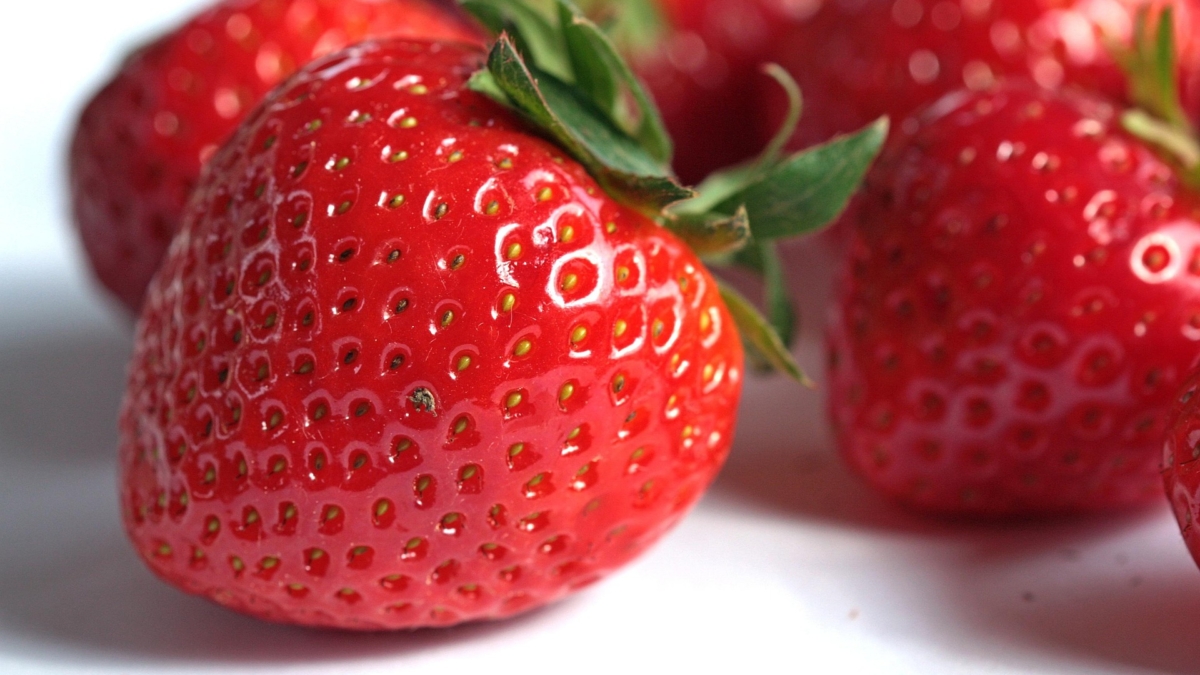
Japan’s strawberry season is coming to an end. Unlike in many countries where strawberries are associated with spring and summer, Japanese strawberries (ichigo いちご) are mainly harvested from winter to early summer. As June approaches, consumers have one last chance to enjoy some of the season’s freshest berries before they disappear from supermarket shelves and dessert menus.
During the season, stores and local markets offer an impressive variety of strawberries, each with its own flavor, aroma, sweetness, and texture. Popular varieties include Tochiotome, Amaou, Benihoppe, and Skyberry. Fresh strawberries are enjoyed on their own, but they are also transformed into seasonal treats such as ichigo miruku (いちごミルク, strawberry milk), strawberry parfaits, shortcake (ショートケーキ), and ichigo daifuku (いちご大福), a traditional rice cake filled with sweet bean paste and a whole fresh strawberry.
Japan is not one of the world’s largest fruit producers, but it is renowned for the exceptional quality of its fruit. Japanese growers invest heavily in research, cultivation techniques, and selective breeding. Characteristics such as sweetness, fragrance, appearance, and even aftertaste are carefully developed over many years. Fruit is often regarded as a luxury item in Japan and is commonly eaten as a dessert after meals or given as a gift. High-end fruit shops (kajitsu-ten 果実店) can sell beautifully packaged fruit for surprisingly high prices.
This pursuit of perfection has led to the creation of some remarkably expensive fruits. Strawberries are no exception. Specialty growers have developed premium varieties that can sell for thousands of yen per berry. Among them is a famous strawberry developed by farmer Michio Okuda, whose carefully cultivated fruits have gained international attention for their size, sweetness, and flawless appearance. One of his special strawberries can be really expensive. Such luxury strawberries represent the highest end of Japan’s fruit culture, where craftsmanship and quality are valued above quantity.
Another popular aspect of strawberry season is strawberry picking, known as ichigo-gari (いちご狩り), literally “strawberry hunting.” Across the country, farms open their greenhouses (hausu ハウス) to visitors who can enjoy all-you-can-eat strawberries for a fixed price. These experiences are popular with families, couples, and tourists alike. Visitors can sample different varieties directly from the plants while learning about local agriculture. Thanks to Japan’s greenhouse cultivation methods, strawberry picking is often possible even during the coldest winter months.
Although the modern cultivated strawberry was developed in Europe, it descends from strawberry species native to the Americas. Strawberries were introduced to Japan during the Meiji era (1868–1912), a period of rapid modernization and international exchange. Over time, Japanese farmers adapted the crop to local conditions and developed countless new varieties. Today, more than one hundred strawberry cultivars are grown throughout the country, with regions such as Tochigi, Fukuoka, and Shizuoka becoming especially famous for their production.
As the season draws to a close, strawberries remind us of one of Japan’s most beloved seasonal traditions. Whether enjoyed fresh, turned into a dessert, or picked straight from the plant, ichigo remains a symbol of Japan’s dedication to quality, craftsmanship, and seasonal food culture.
Photo: Der Mentor, Pixabay
Leave a Comment